Deadwood Removal in San Jose, CA
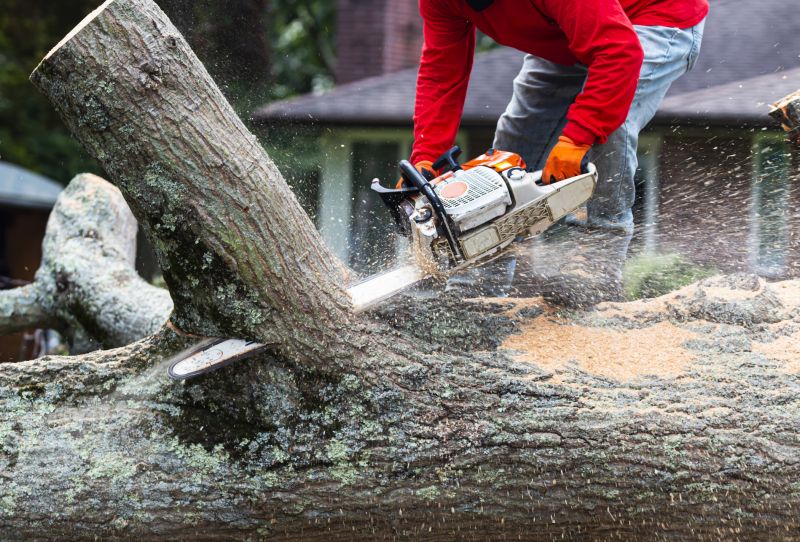
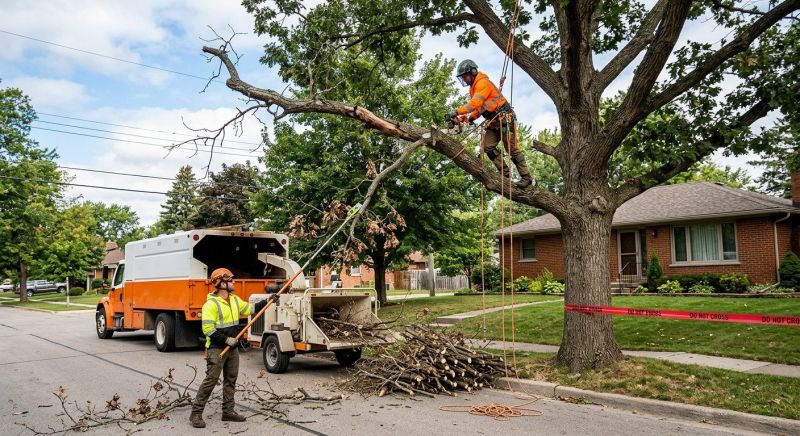
Deadwood removal services involve the safe and efficient removal of dead or hazardous trees and branches from residential properties. These projects typically include removing fallen trees, pruning or cutting back damaged limbs, and clearing deadwood that can pose safety risks or obstruct views and pathways. Homeowners often request deadwood removal to improve the safety and appearance of their landscape, prevent potential property damage, and maintain healthy, thriving trees.
Before requesting deadwood removal, property owners should consider the extent of the work needed and whether any trees or branches are located near structures, power lines, or other sensitive areas. It’s also helpful to understand the scope of the project, including whether it involves partial pruning or complete removal, and to clarify any concerns about tree health or preservation. Proper planning ensures the work aligns with property safety and aesthetic goals.
Many property owners in San Jose, CA look into Deadwood Removal for repairs, replacements, upgrades, and appearance-related improvements.
Types Of Deadwood Removal
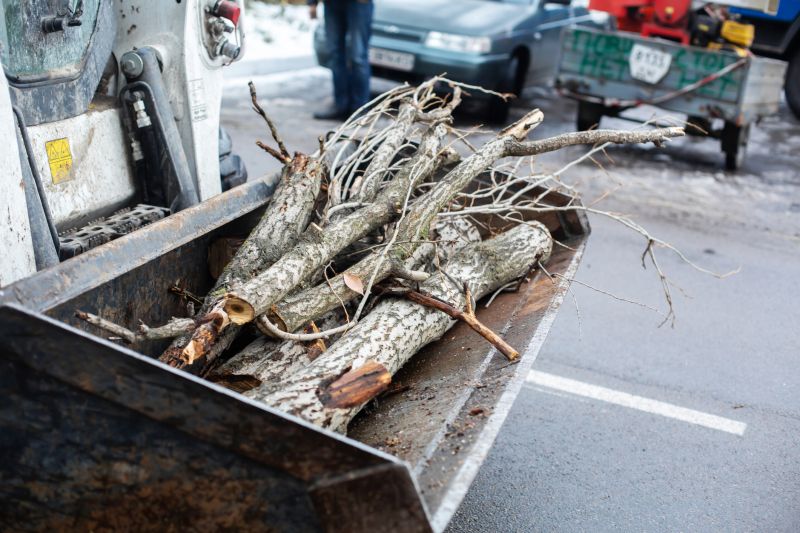
Services include removing dead branches, hazardous limbs, and diseased trees to improve safety and appearance.
Benefits Of Deadwood Removal
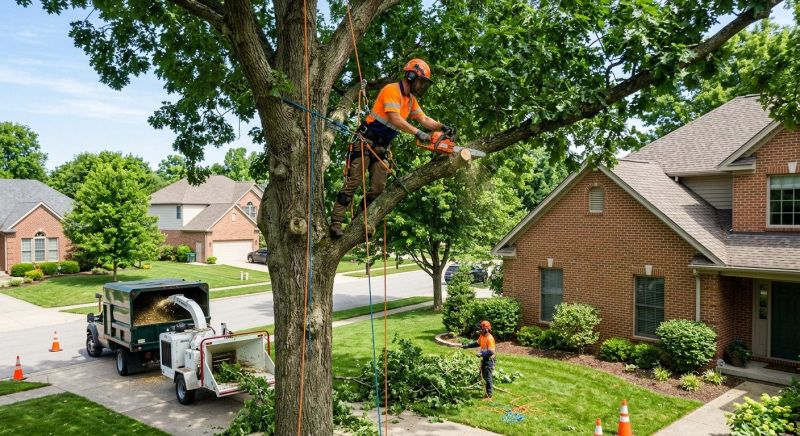
Removing deadwood helps prevent property damage, reduces fire risk, and promotes healthy tree growth.
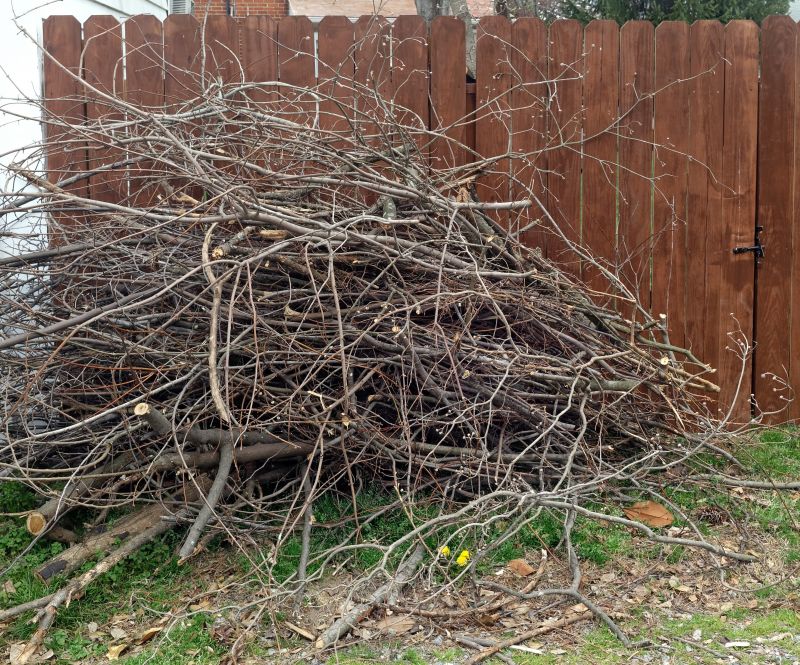
Common Projects In San Jose
Deadwood removal is often needed after storms, for landscape enhancement, or to prepare trees for pruning and maintenance.
Deadwood Removal in San Jose, CA
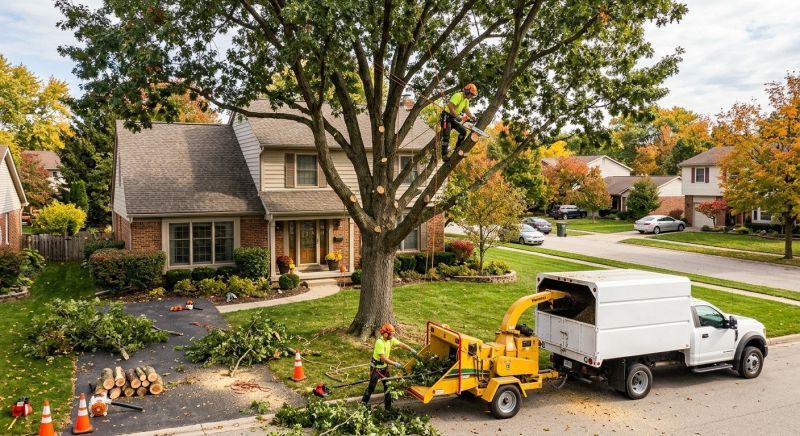
Deadwood removal services involve the safe and efficient removal of dead or hazardous trees and branches from residential properties. These projects typically include removing fallen trees, pruning or cutting back damaged limbs, and clearing deadwood that can pose safety risks or obstruct views and pathways. Homeowners often request deadwood removal to improve the safety and appearance of their landscape, prevent potential property damage, and maintain healthy, thriving trees.
Before requesting deadwood removal, property owners should consider the extent of the work needed and whether any trees or branches are located near structures, power lines, or other sensitive areas. It’s also helpful to understand the scope of the project, including whether it involves partial pruning or complete removal, and to clarify any concerns about tree health or preservation. Proper planning ensures the work aligns with property safety and aesthetic goals.
Many property owners in San Jose, CA look into Deadwood Removal for repairs, replacements, upgrades, and appearance-related improvements.
Common Deadwood Removal Jobs
Deadwood Removal - clearing away dead or diseased branches to improve tree health and safety.
Stump Grinding - removing tree stumps to prevent tripping hazards and make space for new landscaping.
Hazard Tree Removal - safely taking down damaged or unstable trees that pose a risk to property or people.
Overgrown Tree Trimming - reducing excessive growth to enhance property appearance and prevent interference with structures.
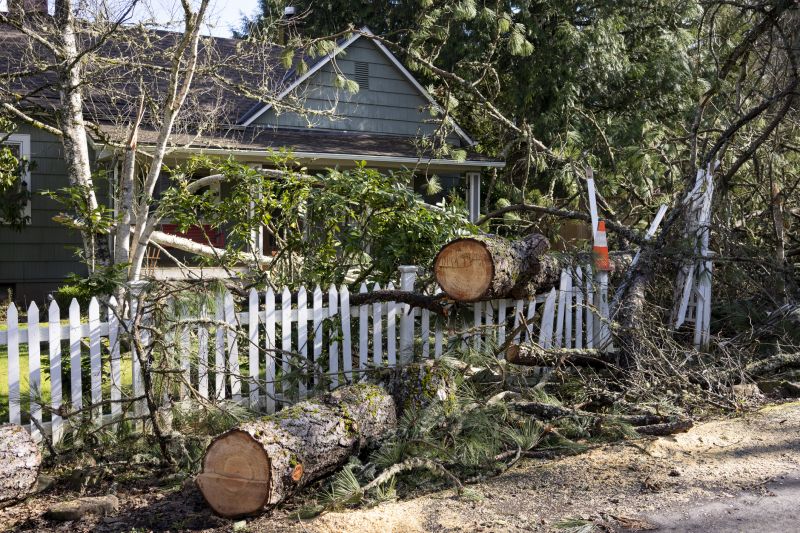
Emergency Deadwood Clearing - addressing storm-damaged or fallen branches promptly to reduce damage risks.
Selective Deadwood Pruning - removing specific dead branches to promote healthier growth and aesthetic appeal.
Deadwood Removal Questions
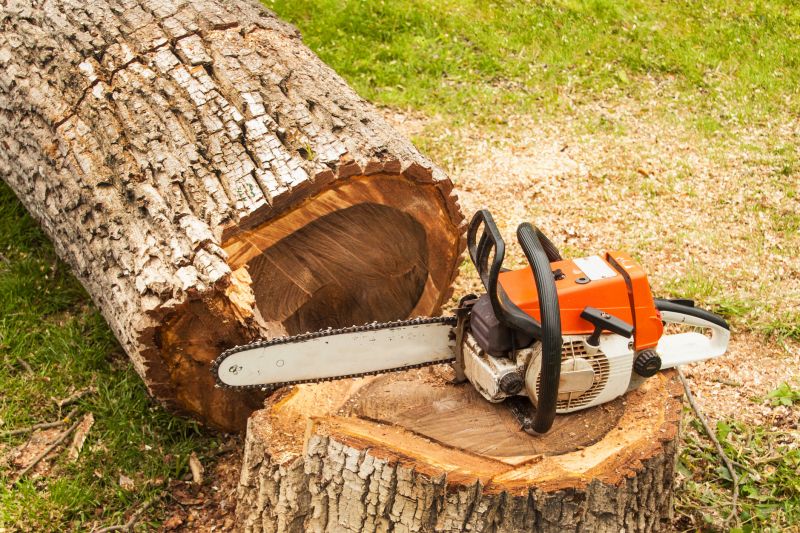
What types of dead trees can be removed? Dead or dying trees of various species and sizes can be safely removed to prevent hazards and property damage.
Is dead tree removal necessary for safety? Removing dead trees reduces the risk of falling branches or trees that could cause injury or property damage.
What should property owners consider before removal? It's important to assess the tree's location, size, and potential impact on surrounding structures before removal.
Does dead tree removal affect surrounding landscaping? Removal can be coordinated to minimize disturbance to nearby plants and landscape features.
Request Deadwood Removal in San Jose, CA
Use the quote form on this page to share the basics of your project and request more information for the type of work you need.